Discover the Wicked musical script PDF, a gateway to the enchanting world of Oz. This guide outlines how to locate, interpret, and responsibly use the official script, ensuring you stay within legal boundaries while enjoying the full theatrical experience. Gain deeper insights with character backstories!! Enjoy!
1.1 What Is Wicked?
Wicked is a celebrated Broadway musical that reimagines the classic tale of Oz from the perspective of its two most iconic characters, Elphaba and Glinda. Set in the years before Dorothy’s arrival, the story follows the unlikely friendship that develops between the misunderstood, green‑haired witch and the future “good” queen. As the narrative unfolds, audiences witness the political intrigue of the Emerald City, the moral complexity of power, and the enduring theme of identity. The score, composed by Stephen Schwartz, blends soaring ballads with rhythmic numbers, while the book, written by Winnie Holzman, deepens the emotional stakes. The production’s lavish staging, intricate costumes, and vibrant choreography create a visual spectacle that has earned it critical acclaim and a devoted fan base worldwide. By exploring themes of acceptance, rebellion, and the consequences of choices, Wicked invites viewers to question the nature of good and evil, making it a timeless piece that resonates across generations. Its impact extends beyond the stage, influencing pop culture, inspiring fan art, and sparking discussions about narrative perspective and character development. The musical’s success is a testament to its powerful storytelling, memorable music, and the universal appeal of its central message: that even the most misunderstood can find redemption and purpose. Its enduring popularity has led to numerous adaptations including a film and a novelization and a celebrated concert version, each bringing fresh perspectives while preserving the spirit true for fans worldwide.
Legal Considerations
Understanding the legal framework surrounding the Wicked script PDF is essential. Copyright protects the text, music, and choreography, limiting unauthorized distribution. Always seek official licensing or purchase from authorized distributors to avoid infringement risks. All rights.!!
2.1 Copyright Law Basics
Copyright law protects original works of authorship, including musical scripts. In the United States, the Copyright Act grants exclusive rights to the owner for a limited period, typically the life of the author plus 70 years. These rights encompass reproduction, distribution, public performance, and derivative works. For a musical script like Wicked, the text, lyrics, and musical score are all covered. Unauthorized copying or distribution of the PDF, even for personal use, constitutes infringement unless it falls under a narrow exception such as fair use. Fair use is evaluated through a four-factor test: purpose, nature, amount, and effect on market value. Educational use, commentary, or parody may qualify, but commercial or large-scale distribution does not. Additionally, the U.S. Copyright Office requires registration for enforceability, though the work is automatically protected upon creation. When accessing a Wicked script PDF, one must verify that the source is legitimate and that the license permits the intended use. Failure to comply can lead to civil penalties, statutory damages, and injunctions. Therefore, always obtain the script through authorized distributors or purchase official copies to remain within legal boundaries. This approach ensures compliance and protects the creative rights of the original authors. Respecting these laws not only safeguards the production but also supports the broader artistic community. By following proper procedures, you contribute to a fair and thriving creative environment for all stakeholders. Enjoy responsibly, share us

2.2 Fair Use in Educational Settings
When instructors incorporate excerpts from the Wicked musical script PDF into lectures, seminars, or written assignments, they often rely on the fair‑use doctrine to justify limited, non‑commercial use. The doctrine evaluates four factors: (1) the purpose and character of the use, (2) the nature of the copyrighted work, (3) the amount and substantiality of the portion used, and (4) the effect of the use on the potential market for the original. In an educational setting, the first factor is typically satisfied because the use is transformative—students analyze themes, musical motifs, or character arcs rather than simply re‑displaying the script. The second factor is favorable when the work is creative, as is a musical script, but courts still allow limited use for teaching. The third factor requires that only the minimal portion necessary for the lesson be used; a single scene, a few lines of dialogue, or a short musical excerpt usually meets this threshold. The fourth factor considers whether the excerpt could replace the original for the audience; a small sample in a classroom does not usually harm the market, especially if the full script is still available for purchase. Proper attribution is essential: students and faculty must cite the original title, authors, composer, and publisher. Some institutions hold blanket licenses that cover larger excerpts; checking with the library or legal department can clarify permissible limits. When uncertainty remains, obtaining a licensed copy or requesting explicit permission from the rights holder is the safest route. By following these guidelines, educators can enrich their curriculum while respecting intellectual property rights, ensuring that the creative work remains protected and that academic integrity is upheld. Moreover, the use of the script in a collaborative project, such as a student‑run production or a research paper, must still adhere to the same principles. If the project is non‑commercial and the script is used solely for analysis, it remains within fair use. However, if the project is presented publicly or sold, it crosses into infringement territory unless a license is secured. Additionally, digital platforms that host the PDF must ensure that the content is not accessible to unauthorized users; watermarking and access controls can mitigate risk. Finally, educators should document the rationale for each excerpt, noting how it serves the learning objectives, to provide a clear record in case of any dispute. This proactive approach not only protects the institution but also models responsible use of copyrighted material for students.

Finding the Official PDF
To locate the authentic Wicked script PDF, visit the official publisher’s website, purchase the licensed edition, or access it through a university library’s licensed database. Avoid unofficial sites to respect copyright and ensure quality. Official sites provide correct formatting and leg compliance.
3.1 Official Publisher Resources

For those seeking the official Wicked script PDF, the primary source is the publisher’s own digital storefront. By navigating to the official Broadway.com or the licensed distributor site, you can purchase a legally compliant PDF that includes all stage directions, character notes, and production notes. The purchase process typically involves creating an account, adding the script to your cart, and completing a secure checkout. Once the transaction is confirmed, the PDF is delivered via email or a direct download link. In addition to the standard retail version, many universities and conservatories subscribe to licensed databases such as ProQuest or Raven, which provide institutional access to the full script for research or classroom use. These platforms often offer the PDF in a protected format that prevents unauthorized distribution while allowing students to annotate and highlight sections for study. For producers,the publisher’s website also lists licensing options for stage performances, including regional and touring rights. By purchasing through the official channel, you ensure that the script is up-to-date with the latest revisions and that all legal requirements are met. Finally, keep an eye on official announcements, as publishers sometimes release special edition PDFs that include behind‑the‑scenes content, composer notes, or alternate scene orders. These resources are essential for scholars, directors,and actors who wish to study the musical’s themes, motifs, and depth nuance.!
Alternative Sources and Risks
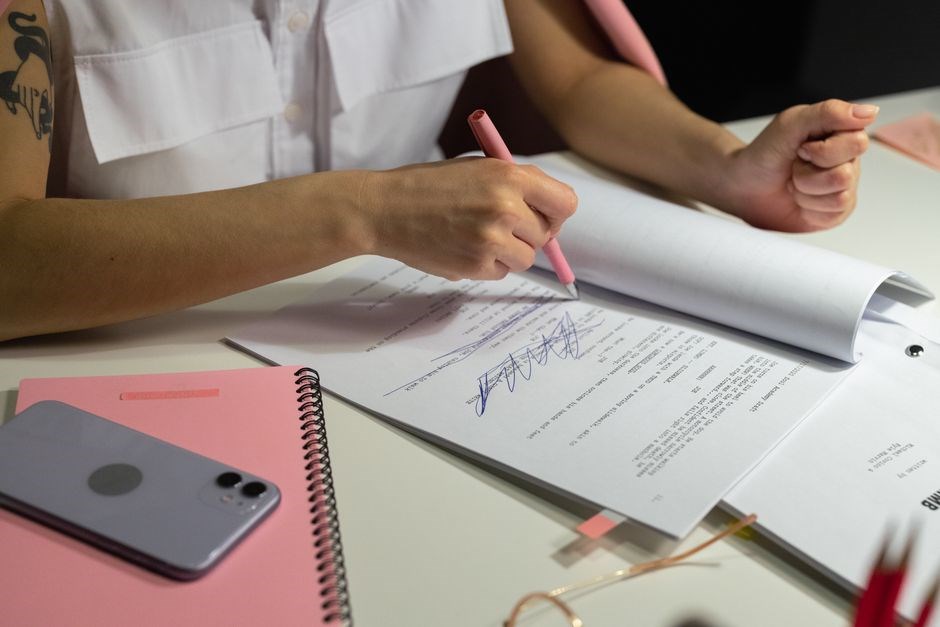
Alternative sources for Wicked scripts include fan sites, torrent sites, and unofficial PDFs. These copies often lack accuracy, may contain malware, and violate copyright law. Using them exposes users to legal penalties and security threats. Moreover, many unofficial PDFs are outdated, missing revisions that alter dialogue. Always verify source before downloading!!! These risks secure sourcing today
4.1 Unofficial Downloads
Unofficial downloads of the Wicked musical script PDF are frequently sourced from peer‑to‑peer networks, torrent trackers, and file‑sharing forums. These copies are produced without the rights holders’ consent, infringing on exclusive distribution rights granted by copyright law. The quality of these files varies widely: some are corrupted, others contain altered or incomplete text, and many are bundled with malicious software such as trojans, ransomware, or spyware. Users who download from these sources risk exposing personal data, compromising system security, and inadvertently distributing illegal content. Legal consequences can be severe; individuals caught downloading or sharing copyrighted material may face civil lawsuits, fines, or even criminal charges depending on jurisdiction. Because the Wicked script is a living document, official editions undergo revisions that reflect changes in dialogue, stage directions, and licensing agreements. Unofficial versions often omit these updates, leading to production errors, misinterpretations of character intent, and potential conflicts with licensing terms required for public performances. For educators and performers, relying on unofficial PDFs can undermine the integrity of the production, create inconsistencies in rehearsal materials, and expose the team to liability. The safest approach is to obtain the script through authorized channels, ensuring compliance with legal standards and maintaining the quality and safety of the theatrical experience. Additionally, using unofficial PDFs can lead to misaligned stage cues, causing costly delays during rehearsals and performances. The risk of legal action extends to the entire production team, potentially jeopardizing future projects and reputations. Therefore, always verify the authenticity of any script before use, and when in doubt, consult the official licensing office for confirmation. This protects both creators and performers.
Using the Script for Production
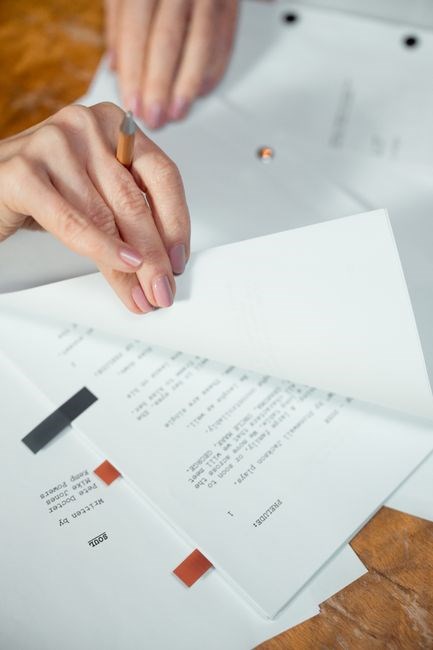
To stage Wicked, secure a licensed script, verify all cues, and align with the official score. Use the PDF to coordinate lighting, sound, and choreography. Maintain fidelity to the original text to honor the creators and meet licensing requirements. All staff should review the PDF before rehearsals to avoid changes now
5.1 Licensing for Stage Performance
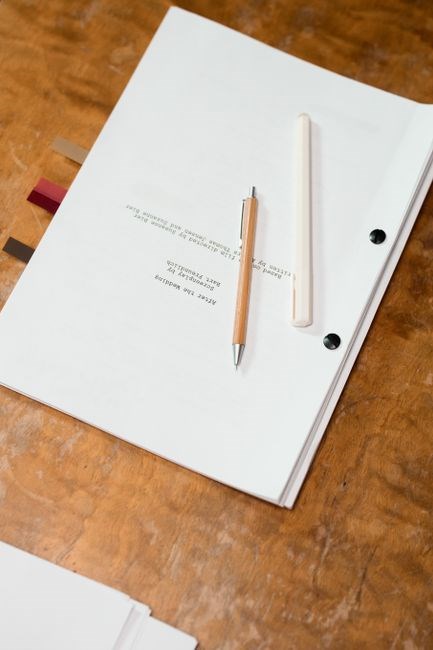
To legally stage Wicked, producers must obtain a performance license from the rights holder, typically original publisher or a licensed agency. The license grants the right to use the script, score, and choreography in a specific venue, for a defined number of performances, and within a set geographic area. Licensing fees vary based on factors such as the size of the cast, the number of performances, the venue capacity, and the production’s budget. A detailed license agreement will outline all permissible uses, including whether the production may alter the script, adapt the score, or incorporate musical numbers. It also specifies the duration of the license, renewal terms, and the required royalty payments. Producers should carefully review the terms to ensure compliance with all legal obligations and avoid potential infringement. Additionally, the license may require that the production adhere to specific artistic guidelines, such as maintaining the original character arcs, musical arrangements, and visual design elements. Failure to comply with these stipulations can result in penalties, including fines, suspension of performance rights, or legal action. Therefore, it is essential to engage a qualified licensing agent or legal counsel familiar with theatrical rights to negotiate the best possible terms and secure a clear, enforceable agreement. Once the license is in place, the production team can safely use the PDF script for rehearsals, set design, and marketing materials, confident that all intellectual property rights are respected and protected.
and Further Resources
In closing, the Wicked script PDF offers a rich, legally compliant resource for enthusiasts and producers alike. For deeper exploration, consult official licensing portals, scholarly analyses, and community forums dedicated to musical theatre. Explore more resources online.
6.1 Summary of Key Points
Key takeaways for accessing and using the Wicked musical script PDF include:
- Always source from the official publisher or authorized distributors to ensure authenticity and legal compliance.
- Verify the file’s integrity by checking digital signatures or checksum values provided by the publisher.
- Respect copyright limits; personal, non‑commercial use is typically permissible, but public performances require a separate license.
- For educational settings, consult the fair‑use policy and consider using excerpts under the guidance of a licensed instructor.
- When preparing a stage production, secure a performance license that covers all rights, including choreography, music, and set design.
- Maintain a clear record of all licenses and permissions, as this documentation may be required during audits or legal reviews.
- Keep the PDF in a secure, backed‑up location to prevent accidental loss or unauthorized distribution.
By following these guidelines, you can enjoy the Wicked script responsibly while supporting the creators and the broader theatrical community.
Keep all licenses and copies in a secure archive for easy reference during future andnow audits.