Cycling What to Wear: A Temperature Guide
Navigating optimal cycling apparel hinges on temperature, personal comfort, and conditions; a versatile approach ensures enjoyable rides across varied climates․
Consider your body’s response to exertion and windchill, adapting layers for fluctuating conditions, mirroring off-bike comfort levels with cycling-specific gear․
Understanding the Core Principles
Effective cycling apparel choices revolve around regulating body temperature and managing moisture․ The human body performs best within a narrow thermal range; overheating or chilling diminishes performance and comfort․ Windchill significantly impacts perceived temperature, demanding windproof layers even at moderate temperatures․
Prioritize breathability to prevent sweat buildup, which can lead to chilling as temperatures drop․ Layering is paramount, allowing cyclists to adapt to changing conditions by adding or removing garments․ Understanding your personal thermal comfort is crucial; some individuals run warmer or colder than others․

Consider the intensity of your ride; higher exertion levels generate more heat․ Finally, remember that clothing isn’t just about warmth—it’s about protection from the elements and enhancing overall cycling experience․
The Importance of Layering
Layering is the cornerstone of adaptable cycling apparel, enabling riders to respond effectively to fluctuating temperatures and exertion levels․ A base layer wicks moisture away from the skin, preventing chilling․ Mid-layers provide insulation, trapping warm air, with options ranging from lightweight fleece to insulated jackets․
Outer layers offer protection from wind and rain, acting as a barrier against the elements․ The key is to choose layers that can be easily added or removed, allowing for precise temperature regulation․ Avoid cotton, as it retains moisture and can lead to discomfort․
Strategic layering maximizes comfort and performance, ensuring cyclists remain dry, warm, and protected throughout their ride, regardless of changing conditions․
Windchill and its Impact on Cycling Apparel
Windchill significantly lowers the effective temperature experienced while cycling, demanding careful consideration when selecting apparel․ Movement increases wind speed, exacerbating this effect, making it feel colder than the thermometer indicates․ Windproof outer layers are crucial to mitigate windchill, blocking cold air from penetrating insulating layers․
Even on sunny days, windchill can be substantial, particularly at higher speeds․ Focus on protecting exposed areas like hands, feet, and head, as they are most susceptible to windchill․
Understanding windchill allows cyclists to anticipate the need for additional layers, ensuring comfort and preventing hypothermia, especially during longer rides or in exposed environments․

Temperature Ranges & Clothing Recommendations
Adapting your cycling wardrobe to specific temperature ranges is key for comfort and performance; layering strategically allows flexibility as conditions change throughout your ride․
Below 32°F (0°C): Extreme Cold
Base Layers: Prioritize merino wool or synthetic materials; these wick moisture effectively, keeping your skin dry and preventing chilling․ Avoid cotton, as it retains moisture and exacerbates cold․
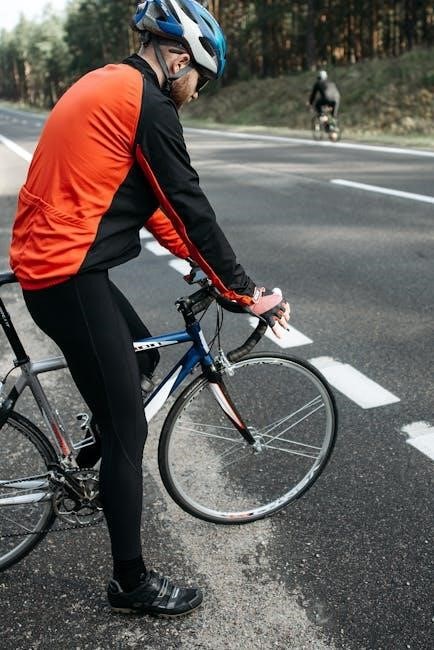
Mid Layers: Insulated jackets or fleece provide crucial warmth․ Multiple thinner layers are preferable to one bulky layer, allowing for better temperature regulation as your exertion level changes․
Outer Layers: A windproof and waterproof jacket is essential to shield against harsh elements․ Look for features like a high collar, sealed seams, and a snug fit to minimize heat loss․ Don’t forget full-fingered gloves, a warm hat, and shoe covers for complete protection․
Extreme cold demands comprehensive coverage to maintain safe and comfortable cycling conditions․
Base Layers: Merino Wool or Synthetic
Merino wool excels in cold weather cycling due to its natural warmth, breathability, and odor-resistance․ It continues to insulate even when wet, a crucial benefit during strenuous rides․ Synthetic fabrics, like polypropylene or polyester, offer excellent moisture-wicking properties and dry quickly․
These materials pull sweat away from your skin, preventing a chilling effect․ Avoid cotton at all costs; it absorbs moisture and remains wet, leading to significant heat loss․
Choose a snug, but not restrictive, fit for optimal performance․ Base layers are the foundation of your cold-weather cycling kit, directly impacting your comfort and warmth․
Prioritize quality materials for effective temperature regulation and a dry ride․
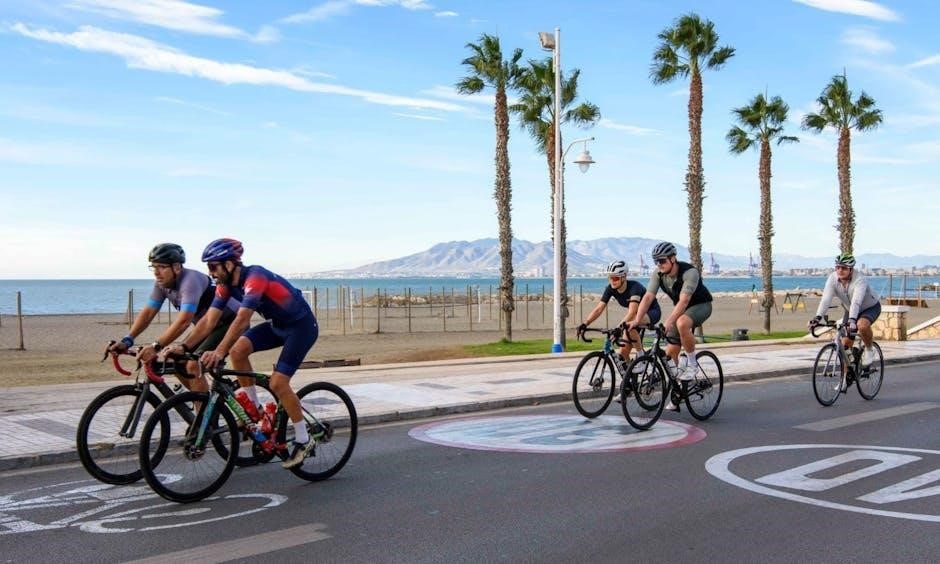
Mid Layers: Fleece or Insulated Jackets
Fleece jackets provide excellent insulation and breathability, trapping warm air while allowing moisture vapor to escape․ They’re a versatile option for a wide range of cold temperatures, offering a comfortable and flexible fit․ Insulated jackets, often with synthetic fill, deliver superior warmth in extremely cold conditions․
Look for jackets with a windproof front panel to further enhance protection․ The mid-layer’s role is to trap body heat and provide an additional barrier against the cold․
Consider a vest for core warmth without restricting arm movement․ Adjust your mid-layer based on your exertion level and the prevailing weather conditions․
Proper layering is key to staying comfortable during your ride․
Outer Layers: Windproof and Waterproof Jackets
Windproof and waterproof jackets are crucial for protection against the elements, especially in colder, wetter conditions․ These layers shield you from windchill and precipitation, maintaining a comfortable core temperature․ Look for jackets specifically designed for cycling, featuring a close fit to reduce flapping and improve aerodynamics․
Breathability is also key; a jacket that doesn’t allow moisture to escape can lead to overheating and discomfort․ Consider a jacket with vents to regulate temperature․
Waterproof ratings indicate the level of protection against rain․ Choose a rating appropriate for the expected conditions․

A good outer layer is your final defense against the weather․
32-39°F (0-4°C): Very Cold
When temperatures fall into the 32-39°F (0-4°C) range, a strategic layering system is essential․ Begin with a heavyweight merino wool base layer to wick away moisture and provide insulation․ Add a fleece jacket and vest for additional warmth, trapping air close to your body․
Protect yourself from wind and potential precipitation with a dedicated winter cycling jacket․ This outer layer should be windproof and water-resistant․ Don’t forget extremities – insulated gloves and a hat are vital․
Prioritize keeping your core warm and protected from the cold, harsh elements during your ride․
Base Layers: Heavyweight Merino Wool
For very cold conditions, a heavyweight merino wool base layer is paramount․ Unlike synthetic materials, merino wool excels at regulating temperature, providing warmth even when damp․ Its natural fibers wick moisture away from the skin, preventing chills and discomfort during intense efforts․
The heavier weight offers increased insulation without sacrificing breathability․ Look for a snug, but not constricting, fit to maximize its effectiveness․ Merino wool also boasts odor-resistant properties, a welcome benefit on longer rides․
Investing in quality merino wool ensures lasting comfort and performance in frigid temperatures․
Mid Layers: Fleece Jacket & Vest
When temperatures hover between 32-39°F (0-4°C), a fleece jacket and vest combination provides crucial insulation․ Fleece offers excellent warmth-to-weight ratio and breathability, preventing overheating during exertion․ A jacket provides full-torso coverage, while a vest keeps your core warm without restricting arm movement․
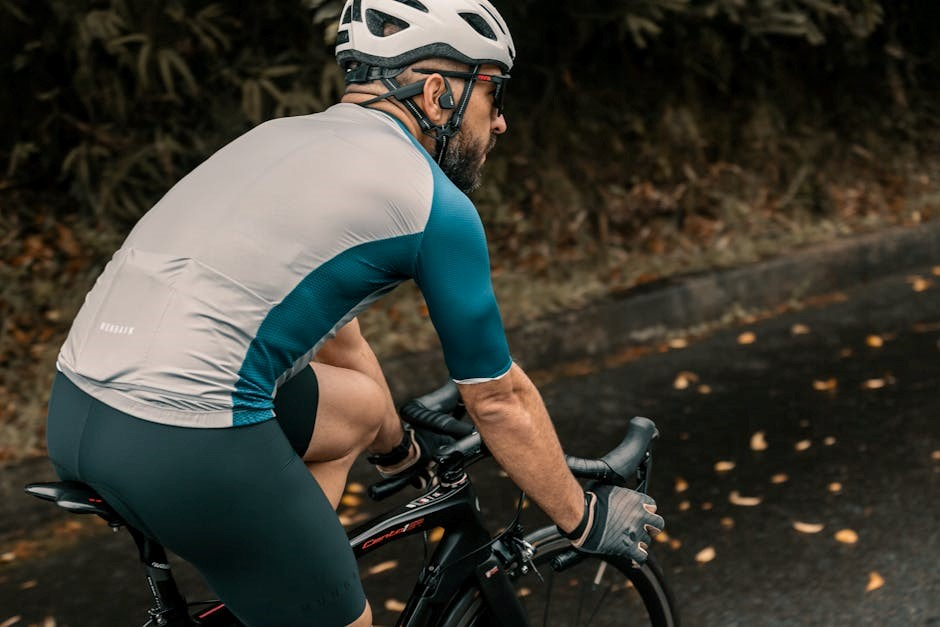
Consider a windproof fleece for added protection against chilly breezes․ The vest’s open back enhances ventilation, preventing sweat buildup․ Layering allows for adaptability; remove the vest if temperatures rise or the jacket if you become overly warm․
This flexible approach ensures optimal comfort throughout your ride․
Outer Layers: Winter Cycling Jacket
For temperatures ranging from 32-39°F (0-4°C), a dedicated winter cycling jacket is essential․ These jackets prioritize both wind and water resistance, shielding you from the elements․ Look for features like a close fit to minimize flapping, articulated sleeves for freedom of movement, and a high collar for neck protection․
Breathability is key to prevent overheating; many winter jackets incorporate vents or breathable fabrics․ Reflective elements enhance visibility in low-light conditions․ Ensure the jacket is compatible with layering – it should comfortably fit over your base and mid-layers without feeling restrictive․
A quality winter jacket is a worthwhile investment for cold-weather cyclists․
40-49°F (5-10°C): Cold
When the temperature dips into the cold range of 40-49°F (5-10°C), a strategic layering system becomes crucial․ Begin with a long-sleeved jersey as your base, providing a snug fit to wick away moisture․ Add a lightweight fleece or gilet as a mid-layer for added insulation, offering core warmth without bulk․
For your outer layer, a cycling jacket or windproof vest is recommended․ The jacket provides full protection against wind and potential light rain, while a vest offers core warmth with increased breathability․ Remember, once you’re moving, you might even feel comfortable with fewer layers!
Base Layers: Long-Sleeved Jersey
A long-sleeved cycling jersey serves as an excellent base layer in cooler temperatures, providing essential warmth and moisture-wicking properties․ Opt for materials like polyester or merino wool blends, designed to keep you dry and comfortable during exertion․ The snug fit is key – it allows the jersey to efficiently transfer sweat away from your skin, preventing chills․
Unlike cotton, these fabrics retain minimal moisture, ensuring you stay warmer for longer․ Consider the weight of the jersey; a lighter weight is suitable for moderate cold, while a heavier weight offers increased insulation․ This foundational layer is vital for regulating body temperature and enhancing overall comfort on your ride․
Mid Layers: Lightweight Fleece or Gilet
When temperatures dip into the 40-49°F (5-10°C) range, a mid-layer becomes crucial for added warmth․ A lightweight fleece jacket or a cycling gilet (vest) are excellent choices, providing insulation without excessive bulk․ Fleece offers excellent breathability and traps air to retain heat, while a gilet protects your core from windchill, enhancing comfort․
The choice between fleece and a gilet depends on your preference and the specific conditions․ A gilet is particularly useful if you anticipate fluctuating temperatures or potential sunshine, as it’s easily removable․ Ensure the mid-layer fits snugly under your outer layer, allowing for freedom of movement․
Outer Layers: Cycling Jacket or Windproof Vest
For temperatures between 40-49°F (5-10°C), an outer layer is essential for protection against wind and light precipitation․ A cycling jacket, designed with a close fit and breathable fabric, is ideal․ Alternatively, a windproof vest offers sufficient protection for drier conditions, allowing for greater ventilation․
Consider a jacket with water-resistant properties to handle potential showers․ Ensure the outer layer is visible, incorporating reflective elements for safety․ The key is to balance protection with breathability to prevent overheating during exertion․ A well-fitted outer layer minimizes flapping and maximizes aerodynamic efficiency, enhancing your cycling experience․
50-59°F (10-15°C): Cool
When cycling in temperatures ranging from 50-59°F (10-15°C), a flexible layering system is crucial․ A short or long-sleeved cycling jersey forms the foundation, providing moisture-wicking properties․ A lightweight jacket becomes optional, depending on wind conditions and personal preference․
A wind vest or lightweight cycling jacket offers valuable protection against a cool breeze, preventing chilling during descents or exposed sections․ Arm warmers can be added for extra versatility․ Prioritize breathability to avoid overheating as your exertion level increases․ This temperature range often feels refreshing with the right gear, allowing for comfortable and enjoyable rides․
Base Layers: Short or Long-Sleeved Jersey
For temperatures between 50-59°F (10-15°C), your base layer choice significantly impacts comfort․ Opt for either a short or long-sleeved cycling jersey, prioritizing moisture-wicking fabrics like polyester or merino wool․ These materials effectively draw sweat away from your skin, keeping you dry and regulating body temperature․
A short-sleeved jersey is suitable for warmer conditions within this range, while a long-sleeved option provides added warmth when a cooler breeze is present․ Avoid cotton, as it retains moisture and can lead to chilling․ The base layer should fit snugly but not restrict movement, functioning as the first line of defense against the elements․

Mid Layers: Lightweight Jacket (Optional)
When cycling in temperatures ranging from 50-59°F (10-15°C), a mid-layer isn’t always essential, but a lightweight jacket offers valuable versatility․ Consider a packable, breathable option that can be easily stowed if temperatures rise during your ride․ This layer provides an extra degree of insulation against cooler winds or during slower climbs․
Fleece or a thin softshell jacket are excellent choices, offering warmth without excessive bulk․ The “optional” designation acknowledges that personal preference and exertion levels play a role; some riders may feel comfortable without a mid-layer, while others appreciate the added protection․ Prioritize breathability to prevent overheating․
Outer Layers: Wind Vest or Lightweight Cycling Jacket
For rides between 50-59°F (10-15°C), your outer layer choice depends on anticipated conditions․ A wind vest is ideal for blocking chilly breezes, offering core warmth without trapping excessive heat․ If there’s a chance of showers, or if you prefer more comprehensive protection, opt for a lightweight cycling jacket․
Look for jackets that are water-resistant or waterproof, and prioritize breathability to manage sweat․ A close fit minimizes flapping in the wind․ These outer layers are crucial for maintaining comfort and preventing wind chill, especially during descents or prolonged exposure to the elements․ Packability is a bonus for changing weather․
60-69°F (15-21°C): Mild
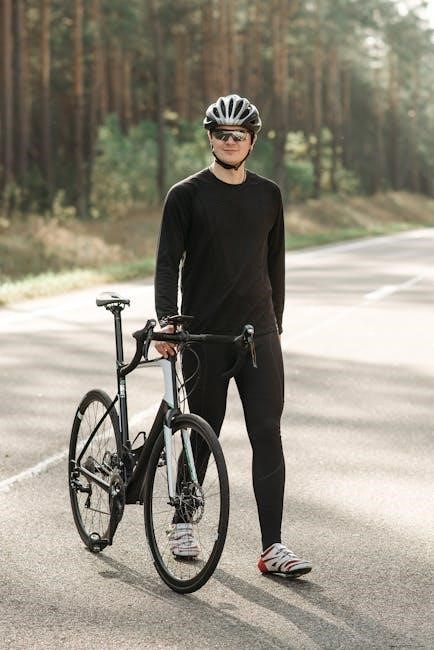
When temperatures hover between 60-69°F (15-21°C), cycling comfort relies on minimal layering․ A short-sleeved cycling jersey typically suffices as your base layer, providing moisture-wicking and a comfortable fit․ Mid-layers are generally unnecessary unless you are particularly sensitive to cooler temperatures or anticipate a significant drop in temperature during your ride․
However, a lightweight cycling jacket is a smart addition to your kit, especially if there’s a possibility of unexpected showers․ A wind vest can also be beneficial, offering protection against breezes without adding bulk․ Prioritize breathability to avoid overheating during exertion․
Base Layers: Short-Sleeved Cycling Jersey
In milder conditions, a short-sleeved cycling jersey serves as an excellent base layer, offering a balance of comfort and performance․ These jerseys are specifically designed to wick away moisture, keeping you dry and comfortable during your ride․ Look for jerseys constructed from breathable fabrics that promote airflow, preventing overheating․
The snug fit of a cycling jersey minimizes wind resistance and allows for unrestricted movement․ Many jerseys also feature rear pockets for conveniently storing essentials like energy gels, spare tubes, or a phone․ Choosing a quality short-sleeved jersey is a foundational element for enjoyable cycling in warmer temperatures․
Mid Layers: None
When temperatures rise into the warmer ranges, typically 70-79°F (21-26°C), the need for a mid-layer often diminishes; The goal is to avoid overheating while still maintaining comfort during exertion․ Skipping the mid-layer allows for greater breathability and prevents trapping excess body heat․ This streamlined approach keeps you feeling fresh and focused on your ride․
Relying solely on a cycling jersey and appropriate outer layer provides sufficient insulation and protection from the elements․ Remember that your body generates significant heat while cycling, so minimizing layers is crucial for optimal temperature regulation․ Prioritize lightweight, breathable fabrics to enhance comfort in these conditions․
Outer Layers: Lightweight Cycling Jacket (for potential showers)
During mild temperatures, 60-69°F (15-21°C), a lightweight cycling jacket serves as a practical outer layer, offering protection against unexpected showers or a slight chill․ This jacket should be packable and easily storable, allowing you to adapt to changing conditions on the go․ Breathability is key, preventing overheating while providing a barrier against light rain and wind․
Consider a jacket with water-resistant properties rather than fully waterproof, as it offers a balance between protection and breathability․ This ensures comfort during varied weather scenarios․ A wind vest is also a viable option, providing core warmth without bulk, especially when the sun is shining but a breeze persists․
70-79°F (21-26°C): Warm
When temperatures rise to 70-79°F (21-26°C), simplicity is key․ A standard cycling jersey, designed for breathability and moisture-wicking, is typically sufficient as a base layer and often the only layer needed․ Focus on jerseys with lightweight, airy fabrics to maximize comfort in warmer conditions․ Avoid heavier materials that can trap heat and lead to overheating during exertion․
Mid-layers are unnecessary in this temperature range, and outer layers are generally not required unless anticipating a sudden downpour․ Prioritize sun protection with cycling shorts and a well-fitting jersey offering UV protection․ Hydration is crucial, so remember to carry sufficient water for your ride․
Base Layers: Cycling Jersey
In warmer conditions, specifically within the 70-79°F (21-26°C) range, a dedicated cycling jersey effectively functions as your base layer․ These jerseys are engineered with performance in mind, utilizing moisture-wicking fabrics to draw sweat away from the skin, keeping you cool and dry during exertion․ Look for jerseys with a close, yet comfortable, fit to enhance aerodynamics and prevent chafing․
Many cycling jerseys also offer UV protection, shielding your skin from harmful sun rays․ The rear pockets are invaluable for carrying essentials like energy gels, spare tubes, and a phone․ Avoid cotton jerseys, as they retain moisture and can become uncomfortable when wet․ Prioritize synthetic materials for optimal performance․
When temperatures comfortably reside between 70-79°F (21-26°C), the need for a mid-layer is generally eliminated․ This temperature range allows for optimal performance with just a base layer – a cycling jersey – providing sufficient ventilation and freedom of movement․ Adding a mid-layer could lead to overheating and discomfort, hindering your ride․
However, individual preferences and sun exposure play a role․ If you are particularly sensitive to the sun, a very lightweight, breathable mesh layer could offer additional protection․ Otherwise, embracing the simplicity of a single layer maximizes comfort and efficiency․ Focus on a well-fitting jersey and appropriate hydration for a pleasant cycling experience․
Outer Layers: None
During warm weather cycling, specifically within the 70-79°F (21-26°C) range, an outer layer is typically unnecessary․ The absence of wind or anticipated precipitation allows you to fully benefit from the warmth and breathability of your cycling jersey․ Carrying a lightweight cycling jacket is still advisable, however, as conditions can change rapidly․
Sudden showers or a descent into a shaded area can quickly lower your body temperature․ Having a packable jacket provides a crucial layer of protection without adding significant weight or bulk when not needed․ Prioritize ventilation and moisture-wicking properties in your jersey to maintain comfort throughout your ride, enjoying the freedom of minimal clothing․

Specific Clothing Items & Considerations
Beyond temperature, selecting the right gloves, socks, headwear, and shorts significantly impacts comfort and performance; windproof fabrics are also crucial․
Gloves: A Temperature-Based Guide
Gloves are essential for maintaining dexterity and warmth during cycling, with selection heavily influenced by temperature․ Below 50°F (10°C), full-fingered gloves are recommended, providing comprehensive protection against the cold and wind, crucial for longer rides․
As temperatures rise to 50-60°F (10-15°C), lightweight gloves offer a balance of warmth and breathability, preventing overheating while still shielding hands from wind chill․ Above 60°F (15°C), fingerless gloves provide grip and minimal insulation, ideal for warmer conditions․
Consider glove materials; windproof and water-resistant options enhance comfort in inclement weather․ Padding can also reduce hand fatigue on longer journeys, improving overall riding experience․
Full-Fingered Gloves (Below 50°F)
When temperatures dip below 50°F (10°C), full-fingered gloves become indispensable for cyclists; These gloves offer complete hand coverage, shielding against both cold temperatures and biting windchill, which significantly impacts exposed skin during rides․
Look for gloves constructed with insulating materials like fleece or synthetic blends, providing warmth without excessive bulk․ Windproof and water-resistant features are highly beneficial, especially in damp or unpredictable conditions․ Padding in key areas, such as the palms, enhances comfort and reduces hand fatigue on longer distances․
Prioritize dexterity; gloves should allow for a firm grip on handlebars and effortless brake/shift operation․
Lightweight Gloves (50-60°F)
Within the 50-60°F (10-15°C) temperature range, lightweight gloves strike a balance between protection and breathability for cyclists․ These gloves offer a degree of wind protection and a light layer of insulation, preventing hands from becoming chilled during moderate-intensity rides․
Opt for gloves made from breathable fabrics like Lycra or thin fleece, allowing moisture to escape and preventing overheating․ Minimal padding can enhance comfort without adding unnecessary bulk․ These gloves are ideal for conditions where a full-fingered glove feels too warm, but bare hands are still susceptible to the elements․
Ensure a snug fit to maintain dexterity and control․
Fingerless Gloves (Above 60°F)
When temperatures consistently exceed 60°F (15°C), fingerless gloves become a practical choice for cyclists seeking grip and minimal hand protection․ These gloves prioritize breathability and dexterity, preventing overheating while maintaining control of the handlebars․
Typically constructed from lightweight, stretchy materials like Lycra, fingerless gloves offer padding in key areas – primarily the palms – to absorb vibrations and enhance comfort on longer rides․ They shield hands from minor abrasions in case of a fall, without the added warmth of full coverage․
Ideal for warm weather riding, they allow maximum airflow, keeping hands cool and dry․
Socks: Keeping Your Feet Warm & Dry
Cycling socks are crucial for comfort and performance, differing significantly from everyday socks․ They prioritize moisture-wicking properties, preventing blisters and discomfort caused by sweat․ Materials like merino wool or synthetic blends are preferred, offering breathability and temperature regulation․
Avoid cotton socks, as they retain moisture and can lead to cold feet and chafing․ Sock height is also important; taller socks provide extra coverage and protection from the elements․ Consider layering thinner socks under thicker ones in colder conditions for enhanced warmth․
Properly fitted socks ensure a snug, blister-free ride, contributing significantly to overall cycling enjoyment․
Hats & Headwear: Preventing Heat Loss
Significant heat loss occurs through the head, making hats and headwear essential, especially in colder temperatures․ A cycling cap worn under a helmet provides wind protection and helps regulate temperature․ For colder rides, consider skullcaps or balaclavas made from merino wool or fleece, offering increased insulation․
In warmer conditions, a lightweight cycling cap can shield your face from the sun and absorb sweat․ Headbands are another option for managing sweat and keeping hair out of your eyes․ Choosing the right headwear enhances comfort and performance․
Prioritize breathable materials to prevent overheating and maintain optimal temperature regulation during your ride․
Shoe Covers: For Added Warmth & Protection
Shoe covers are crucial for maintaining warm, dry feet, significantly impacting comfort during colder rides; They shield your shoes from wind, rain, and mud, preventing heat loss and moisture buildup․ Neoprene shoe covers offer excellent insulation and water resistance, ideal for wet and chilly conditions․
Lightweight, windproof shoe covers are suitable for cooler, drier days․ Consider shoe covers with reflective elements for increased visibility․ Proper fit is essential to avoid chafing and ensure effective protection․
Investing in quality shoe covers extends your cycling season and enhances overall ride enjoyment, protecting your feet from the elements․
Bib Shorts vs․ Cycling Shorts: Temperature Considerations
Bib shorts, with their over-the-shoulder straps, offer superior comfort and stay-put security, making them a favorite for longer rides․ However, temperature dictates the best choice between bibs and traditional cycling shorts․
In warmer weather (above 60°F/15°C), standard cycling shorts provide ample ventilation․ As temperatures drop, bib shorts offer added core warmth due to the extended coverage․ Consider thicker fabrics or fleece-lined options for colder conditions․
Layering base layers underneath either style enhances warmth․ Ultimately, personal preference and the specific temperature determine the optimal choice for a comfortable ride․
The Role of Windproof Fabrics
Windproof fabrics are crucial in cycling apparel, significantly impacting perceived temperature and comfort․ Windchill dramatically lowers body temperature, even in moderate conditions, making wind protection essential․
Jackets and vests utilizing windproof materials block cold air, retaining body heat․ These fabrics often feature a degree of water resistance, offering protection from light rain and spray․ Breathability is also key; a fully waterproof, non-breathable fabric can lead to overheating and sweat buildup․
Strategically placed windproof panels enhance warmth without sacrificing ventilation, providing a balanced approach to temperature regulation during rides․