Costco Stuffed Salmon Cooking Instructions: A Comprehensive Guide
Costco offers convenient online shopping with same-day delivery or curbside pickup for members. Explore electronics, groceries, and more at various Costco locations nationwide, including Billings, Richland, Tacoma, and Bristol.
Understanding the Costco Stuffed Salmon Product
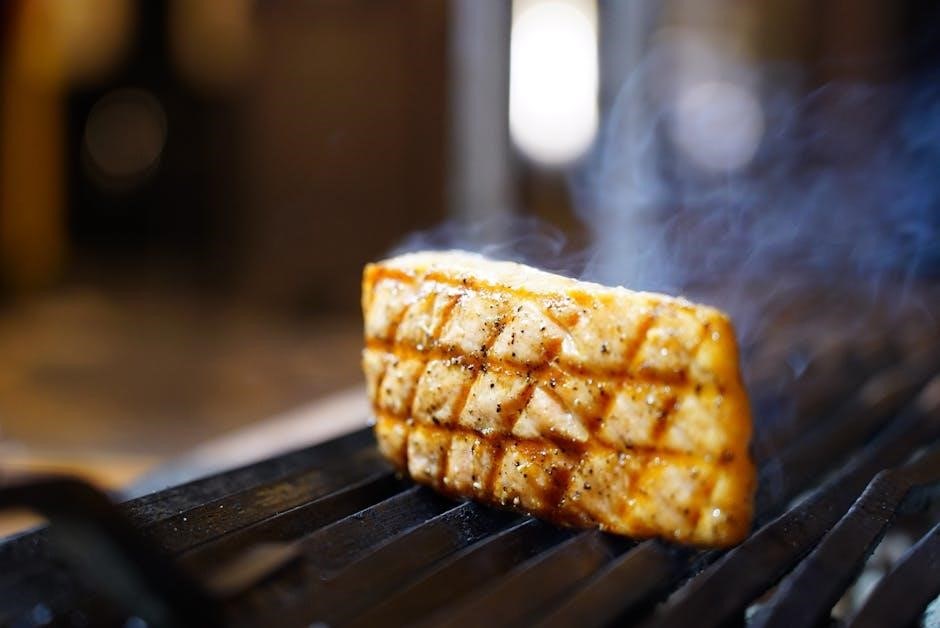
Costco’s stuffed salmon is a convenient and flavorful meal option, typically featuring a fillet generously filled with a savory stuffing. While specific ingredients can vary, the stuffing commonly includes a blend of seafood, breadcrumbs, vegetables, and seasonings, creating a delightful contrast in textures and tastes.
This product is designed for ease of preparation, offering a substantial portion suitable for family dinners or gatherings. Costco emphasizes quality brand-name products at warehouse prices, and the stuffed salmon aligns with this commitment. Availability may differ based on location, with options for both in-warehouse purchase and online ordering with same-day delivery or curbside pickup.
Furthermore, Costco partners with services like Sesame to offer member benefits, though these are separate from the salmon product itself. Accessing the full range of Costco’s offerings requires a membership and potentially JavaScript enabled browsers for optimal online experience.
Unboxing and Initial Inspection
Upon receiving your Costco stuffed salmon, begin with a careful unboxing. Ensure the packaging is intact and shows no signs of damage during transit, especially if utilizing Costco’s same-day delivery or curbside pickup options. Immediately inspect the salmon itself; it should be thoroughly chilled or frozen, depending on how it was shipped.
Check for any unusual odors or discoloration, which could indicate spoilage. Verify that the stuffing appears fully contained within the salmon fillet and that there are no visible breaches in the packaging. Note the “best by” date printed on the label to gauge freshness.
Costco prioritizes quality, but a quick inspection is crucial. Remember that only the credit card addressee can pick up the product, reinforcing Costco’s security measures. A thorough initial inspection sets the stage for safe and delicious preparation.
Checking for Allergens and Ingredients
Before preparing your Costco stuffed salmon, meticulously review the ingredient list and allergen information printed on the packaging. This is especially vital for individuals with food sensitivities or allergies. Common allergens to watch for include fish (beyond the salmon itself), shellfish often used in stuffing, wheat, dairy, and soy.
Costco partners with services like Sesame to address health needs, highlighting the importance of informed choices. Carefully examine the complete ingredient declaration to identify any potential triggers. If you have severe allergies, consider contacting Costco’s customer service for detailed information about the product’s composition.
Understanding the ingredients allows for informed decisions and prevents adverse reactions. Remember Costco’s commitment to member satisfaction extends to product transparency. Prioritize your health and safety by thoroughly checking for allergens before consumption.
Preparation Before Cooking
Costco membership provides access to online shopping and diverse products. Manage your membership and explore services online, ensuring JavaScript is enabled for optimal browsing.
Thawing the Stuffed Salmon Safely
Prior to cooking your Costco stuffed salmon, safe thawing is paramount to ensure even cooking and prevent bacterial growth. The recommended method is refrigerator thawing. Place the frozen salmon, still in its original packaging, on a tray or in a container to catch any potential drips.
Allow ample time for thawing – typically 24 to 48 hours, depending on the size and thickness of the salmon. Avoid thawing at room temperature, as this creates a breeding ground for harmful bacteria. If you’re short on time, you can use the cold water method.
Submerge the sealed salmon in a bowl of cold water, changing the water every 30 minutes to maintain a consistently cold temperature. This method requires constant attention and the salmon should be cooked immediately after thawing. Never refreeze salmon that has been thawed using the cold water method. Always verify the salmon feels pliable, not firm, before proceeding to the next preparation step.
Preheating Oven and Preparing Baking Sheet
Successful cooking of your Costco stuffed salmon begins with proper oven preheating and baking sheet preparation. Preheat your oven to 375°F (190°C). Accurate temperature is crucial for even cooking and achieving optimal texture. While the oven heats, prepare a large baking sheet.
Line the baking sheet with parchment paper or aluminum foil. Parchment paper is preferred as it prevents sticking and simplifies cleanup. If using foil, lightly grease it with cooking spray to further prevent adhesion. Ensure the baking sheet is large enough to accommodate the salmon without overcrowding.
A slightly larger baking sheet is better than one that’s too small. This allows for better air circulation around the salmon, promoting even cooking. Once the oven is fully preheated and the baking sheet is prepared, you’re ready to transfer the thawed salmon for baking. Remember to check Costco’s website for any specific recommendations.
Seasoning Considerations (Optional)
The Costco stuffed salmon typically comes pre-seasoned within the stuffing itself, offering a flavorful base. However, enhancing the salmon with additional seasonings is entirely optional and allows for personalization. Consider a light sprinkle of paprika, garlic powder, or onion powder over the salmon fillet before baking.
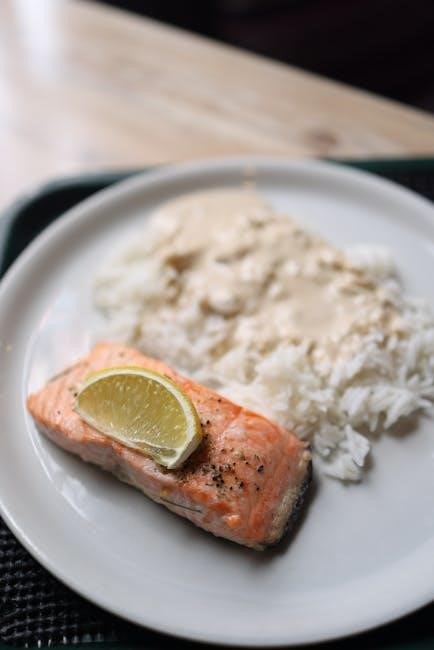
Fresh herbs like dill or parsley can also be added for a brighter flavor profile. A squeeze of lemon juice over the salmon during the last few minutes of cooking can add a zesty touch. Be mindful not to over-season, as the existing stuffing already contributes significant flavor.
If you prefer a spicier kick, a pinch of cayenne pepper or red pepper flakes can be incorporated. Remember, these are merely suggestions; feel free to experiment with your favorite seasonings to create a dish tailored to your preferences. Explore Costco’s online resources for recipe ideas.
Cooking Methods
Costco provides shopping options including online delivery and warehouse pickup. Enjoy quality products like electronics and groceries at locations such as Billings and Richland.
Oven Baking: The Standard Approach
Costco’s online shopping platform facilitates quick delivery or convenient curbside pickup for members, offering access to a wide array of products. When considering oven baking, remember Costco prioritizes quality brand-name items at warehouse prices. Begin by ensuring your oven is properly calibrated for even heating. Place the stuffed salmon fillet on a baking sheet lined with parchment paper – this prevents sticking and simplifies cleanup.
Bake at a moderate temperature, typically around 375°F (190°C), for approximately 25-35 minutes. The exact cooking time will depend on the thickness of the fillet and your oven’s performance. Regularly check for updates on Costco services and locations like Billings, Richland, Tacoma, and Bristol. Monitor the internal temperature, aiming for 145°F (63°C) in the thickest part of the salmon and within the stuffing. A gentle flake with a fork indicates doneness. Remember Costco also partners with Sesame for fertility solutions.
Air Fryer Method: A Faster Alternative
Costco provides convenient shopping options, including same-day delivery and curbside pickup for its members, alongside quality products at warehouse prices. Utilizing an air fryer offers a significantly faster cooking time for the stuffed salmon. Preheat your air fryer to 380°F (193°C) for optimal results. Ensure the fillet fits comfortably within the basket without overcrowding; you may need to cook in batches.
Air fry for approximately 15-20 minutes, flipping halfway through to ensure even cooking. Regularly check Costco’s website for updates on services and locations like Billings, Richland, Tacoma, and Bristol. Monitor the internal temperature, aiming for 145°F (63°C) in both the salmon and the stuffing. Costco also offers partnerships like Sesame for healthcare solutions. A fork should easily flake the salmon when it’s done. This method delivers a crispy exterior while maintaining a moist interior, a quick alternative to oven baking.
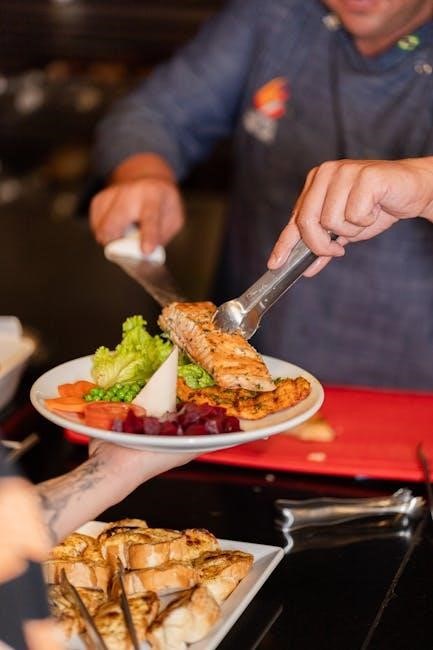
Grilling (With Caution): For a Smoky Flavor
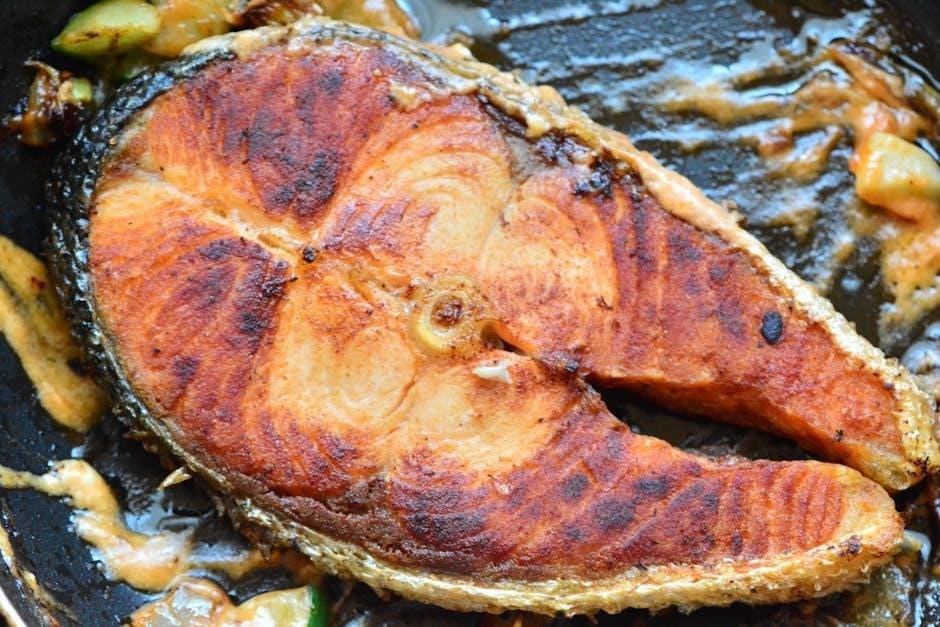
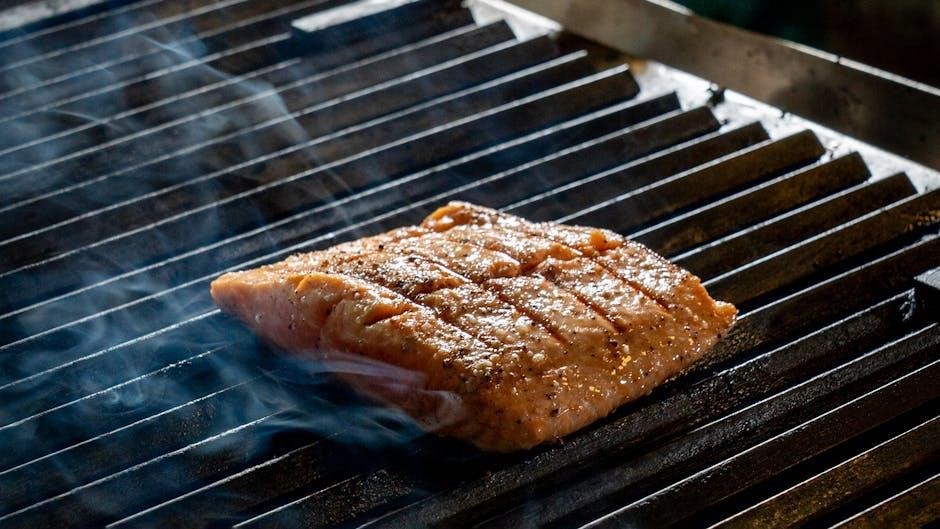
Costco offers convenient shopping options, including same-day delivery and curbside pickup for members, alongside quality products at warehouse prices. Grilling the stuffed salmon imparts a delightful smoky flavor, but requires careful attention to prevent burning. Preheat your grill to medium heat, ensuring the grates are well-oiled to avoid sticking. Place the salmon skin-side down on the grill, and cook for approximately 6-8 minutes per side.
Regularly check Costco’s website for updates on services and locations like Billings, Richland, Tacoma, and Bristol. Monitor the internal temperature, aiming for 145°F (63°C) in both the salmon and the stuffing. Costco also offers partnerships like Sesame for healthcare solutions. Use a fish spatula for gentle flipping. Be mindful of flare-ups and move the salmon to a cooler part of the grill if needed. This method is best suited for those comfortable with grill temperature control.
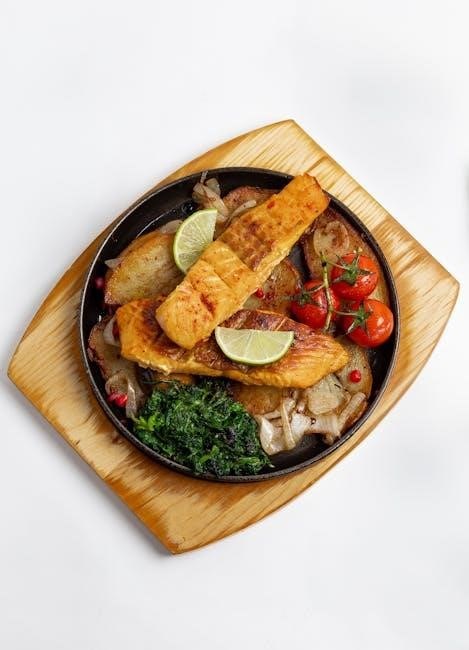
Ensuring Salmon is Cooked Through
Costco provides online shopping and warehouse locations like Billings and Richland. Confirm the salmon reaches 145°F, checking both the fish and stuffing thoroughly for safety.
Internal Temperature Check
Utilizing a reliable instant-read thermometer is paramount when verifying the doneness of your Costco stuffed salmon. Insert the thermometer into the thickest part of the salmon fillet, avoiding contact with the stuffing initially, to obtain an accurate reading of the fish itself. The USDA recommends an internal temperature of 145°F (63°C) for salmon to ensure it’s cooked through and safe for consumption.
However, because the stuffed salmon has additional components, it’s crucial to also check the temperature within the stuffing. Insert the thermometer into the center of the stuffing, ensuring it reaches the deepest point. The stuffing should also reach 165°F (74°C) to eliminate any potential bacterial concerns. Costco’s online services and warehouse locations offer convenience, but proper cooking remains vital.
Remember to clean the thermometer probe with hot, soapy water before and after each temperature check to prevent cross-contamination. Multiple checks in different areas can provide a more comprehensive assessment of doneness, guaranteeing a delicious and safe meal.
Visual Cues for Doneness
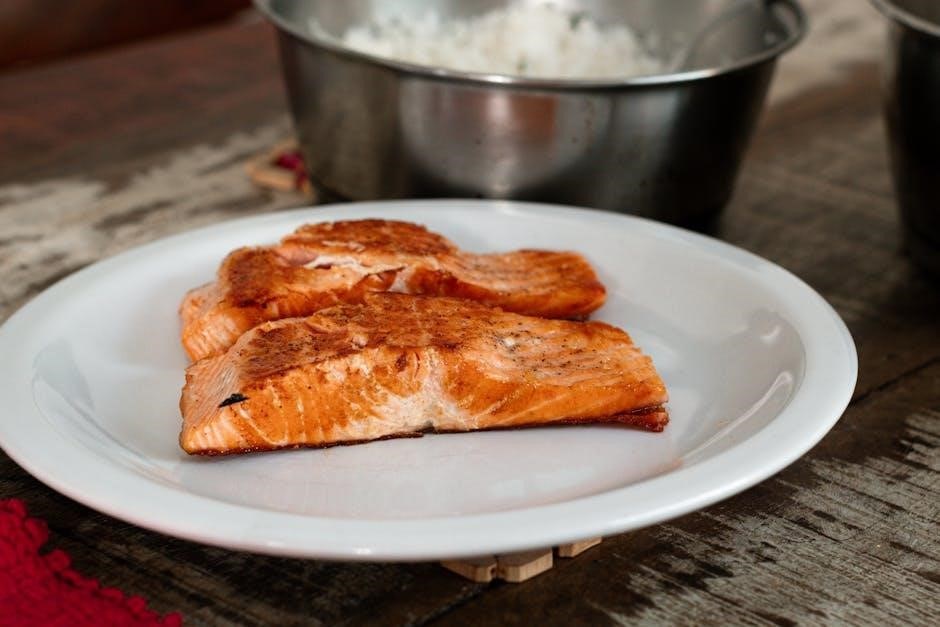
Beyond relying solely on temperature, observing visual cues can aid in determining if your Costco stuffed salmon is fully cooked. The salmon’s flesh should transition from translucent to an opaque pink color. When gently flaked with a fork, the salmon should separate easily along the muscle fibers, appearing moist and not glassy. Avoid overcooking, as this can lead to dry, flaky fish.
Pay attention to the stuffing as well. It should be heated through and slightly puffed up, with any cheese components melted and bubbly. If the stuffing appears pale or undercooked, continue baking for a few more minutes, checking frequently. Costco provides convenient shopping options, but careful observation during cooking is key.
A slight sheen on the surface of the salmon indicates it’s nearing completion. Remember, visual cues are supplementary to temperature checks; always confirm with a thermometer for guaranteed safety and optimal flavor. Consistent monitoring ensures a perfectly cooked dish.
Checking the Stuffing Temperature
Ensuring the stuffing within the Costco stuffed salmon reaches a safe internal temperature is crucial for food safety. Use a reliable instant-read thermometer and insert it into the thickest part of the stuffing, avoiding contact with the salmon itself. The stuffing should register at least 165°F (74°C) to eliminate any potential bacteria.
Different areas of the stuffing may cook at varying rates, so check multiple spots to guarantee even heating. Costco offers convenient shopping, but proper cooking is paramount. If the stuffing hasn’t reached 165°F, continue baking, checking every 5-10 minutes until it does.
Remember that carryover cooking will continue to raise the temperature slightly after removal from the oven. Prioritize the stuffing’s temperature, as it often takes longer to heat through than the salmon. This step is vital for a safe and enjoyable meal.
Serving and Storage
Costco provides a wide range of products, and enjoying your salmon with complementary sides enhances the experience. Properly store leftovers to maintain freshness and flavor.
Recommended Side Dishes
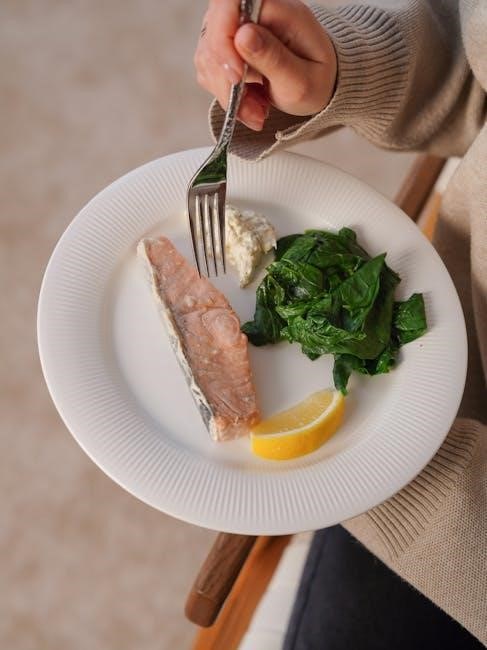
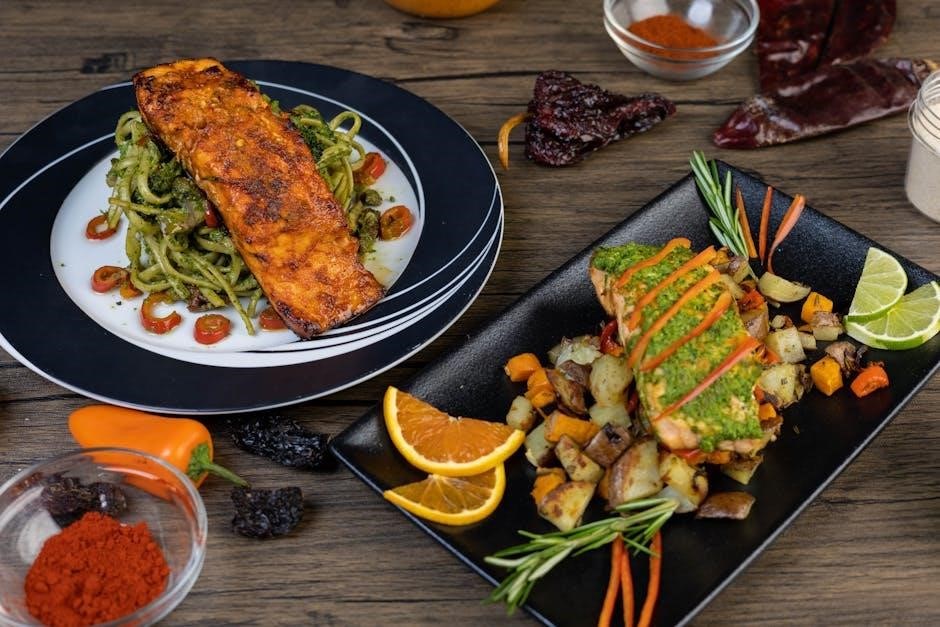
Pairing your Costco stuffed salmon with the right sides can elevate the entire meal. Considering the richness of the salmon and its stuffing, lighter, brighter sides often work best. Roasted asparagus with a squeeze of lemon provides a fresh, slightly bitter counterpoint. A simple quinoa salad with herbs and a vinaigrette dressing offers a healthy and flavorful accompaniment.
For those preferring something a bit more substantial, roasted Brussels sprouts with balsamic glaze are an excellent choice. Alternatively, a creamy dill sauce over steamed green beans complements the salmon beautifully. Don’t overlook the simplicity of a classic side salad with mixed greens, cherry tomatoes, and a light vinaigrette.
Costco’s grocery section offers many convenient options for these sides, making meal preparation easier. Remember to consider your personal preferences when selecting sides to create a truly enjoyable dining experience alongside your delicious stuffed salmon.
Proper Storage of Leftovers
Storing leftover Costco stuffed salmon correctly is crucial for maintaining its quality and ensuring food safety. Allow the salmon to cool completely before transferring it to an airtight container. This prevents condensation, which can lead to bacterial growth. Refrigerate promptly, ideally within two hours of cooking.
Properly stored, leftover stuffed salmon will remain safe to eat for up to three to four days in the refrigerator. For longer storage, consider freezing. Wrap the salmon tightly in plastic wrap, then in aluminum foil, or place it in a freezer-safe container. Frozen salmon can maintain good quality for up to two to three months.
Always label and date your containers to keep track of storage time. When ready to enjoy, thaw frozen salmon in the refrigerator overnight for best results. Remember, safe storage practices are key to enjoying your Costco salmon later!
Reheating Instructions
Reheating Costco stuffed salmon requires a gentle approach to prevent drying it out and maintain its delicious flavor. The oven is the preferred method. Preheat your oven to 275°F (135°C). Place the salmon in an oven-safe dish, adding a tablespoon of broth or water to help retain moisture.
Cover the dish with foil and bake for 15-20 minutes, or until heated through. An internal temperature of 145°F (63°C) is recommended. Alternatively, you can reheat in an air fryer at 300°F (150°C) for approximately 8-12 minutes, checking frequently.
Avoid microwaving, as it can result in uneven heating and a rubbery texture. If using a microwave is unavoidable, reheat in short intervals, stirring between each, and add a little moisture. Ensure the stuffing is also heated thoroughly before consuming. Enjoy your revitalized Costco salmon!